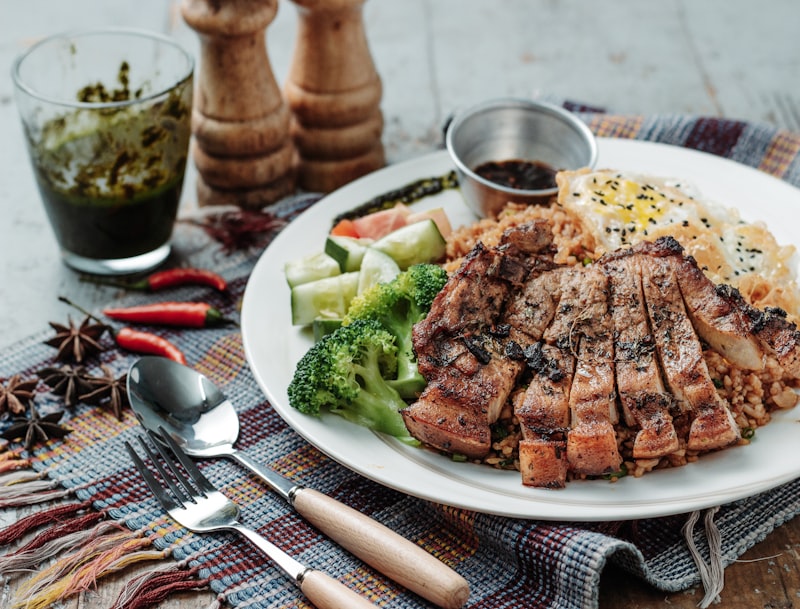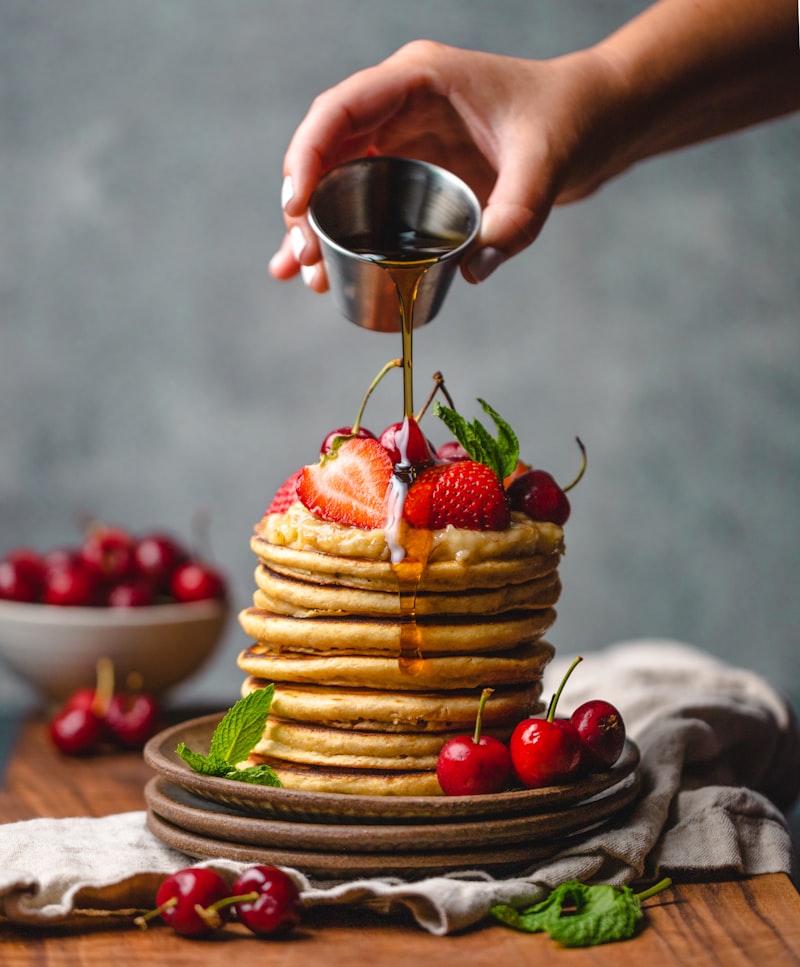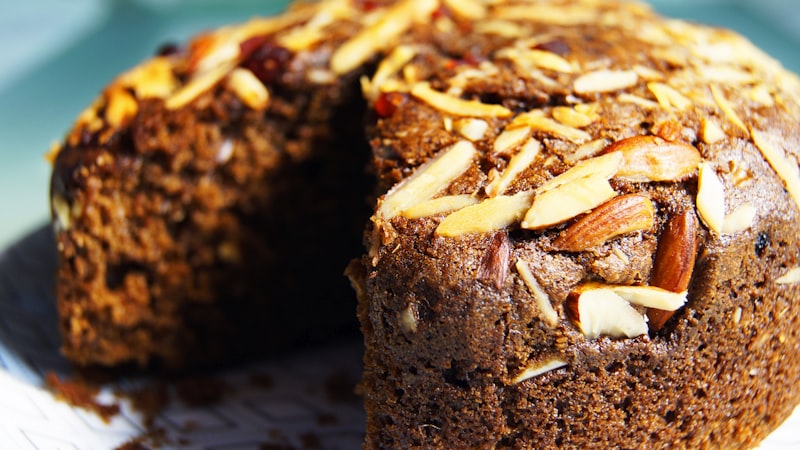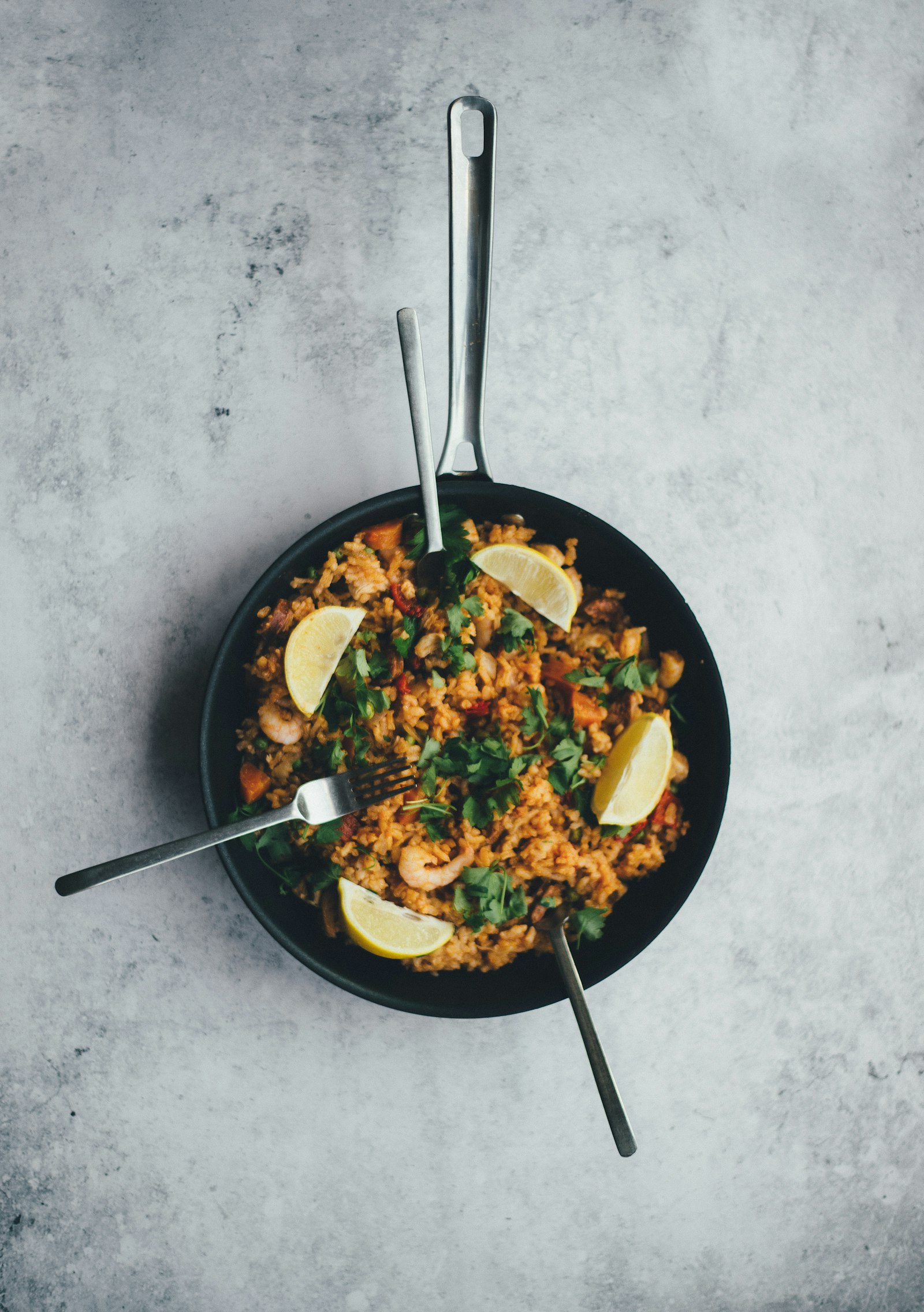
Gornio Cociña Cociña galega, lume manso

From the northwest corner of Spain

Galician Cooking Without Vegetable Oil

Octopus boiled the fair way, empanada from the bakery stone, caldo from the low fire. Olive oil, butter and unto carry every recipe here. Seed oils never enter the pot.

Aceite de oliva, manteiga e unto. Máis nada.

Olive oil, butter and unto. Nothing else. That is the whole promise of this kitchen, kept across every recipe we publish.

Aceite de Oliva for the pan and the paprika drizzle Manteiga for the filloa stone and the tart tin Unto e Lume Manso cured fat and a gentle flame for the pote

The recipes

Six dishes from the Atlantic northwest

Each one cooked as it is in Galicia, with the fats Galician kitchens have always trusted. Open a dish to read the full method.

Ingredients

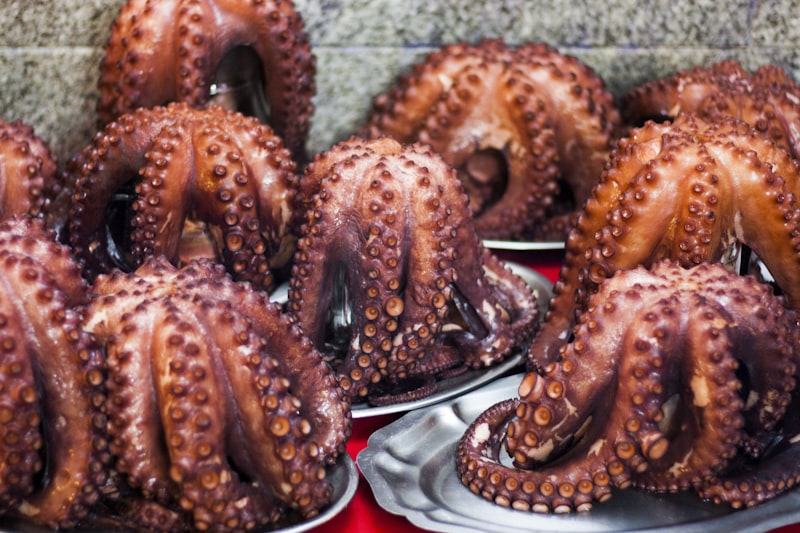
  • 1 whole octopus, about 4 lb, cleaned
  • 2 lb waxy potatoes, peeled
  • 1/3 cup extra virgin olive oil
  • 1 tbsp sweet paprika (pimentón dulce)
  • 1 tsp hot paprika (pimentón picante)
  • Coarse sea salt, generous
  • 2 bay leaves
  • 1 onion, halved
  • 1 tbsp butter, for the potatoes
  • Crusty bread, to serve

Method

  1. Freeze the octopus overnight and thaw it in the fridge. This tenderises the flesh the way the old fairground cooks did with a wooden mallet.
  2. Bring a large pot of water to a rolling boil with the bay leaves and onion. Holding the octopus by the head, dip it into the water three times, letting the tentacles curl each time before lowering it in fully.
  3. Simmer gently for 40 to 50 minutes, until a skewer slides into the thickest tentacle with little resistance. Turn off the heat and let it rest in the water for 15 minutes.
  4. Meanwhile simmer the potatoes in salted water until tender, about 20 minutes. Drain and toss with the butter while warm.
  5. Slice the tentacles into coins with scissors, the traditional tool, and arrange over the potatoes on a wooden plate if you have one.
  6. Shower with coarse salt, both paprikas and a generous ribbon of olive oil. Serve hot with bread, never with a fork on the octopus plate itself. Toothpicks are the custom.
Ingredients

  • 4 cups all purpose flour
  • 1/2 cup extra virgin olive oil, plus more for the sofrito
  • 3/4 cup warm water
  • 2 tsp active dry yeast
  • 1 tsp fine salt
  • 3 large onions, thinly sliced
  • 1 red bell pepper, sliced
  • 2 cups canned tuna in olive oil, drained
  • 1 tbsp sweet paprika
  • 1 egg, beaten, for the glaze

Method

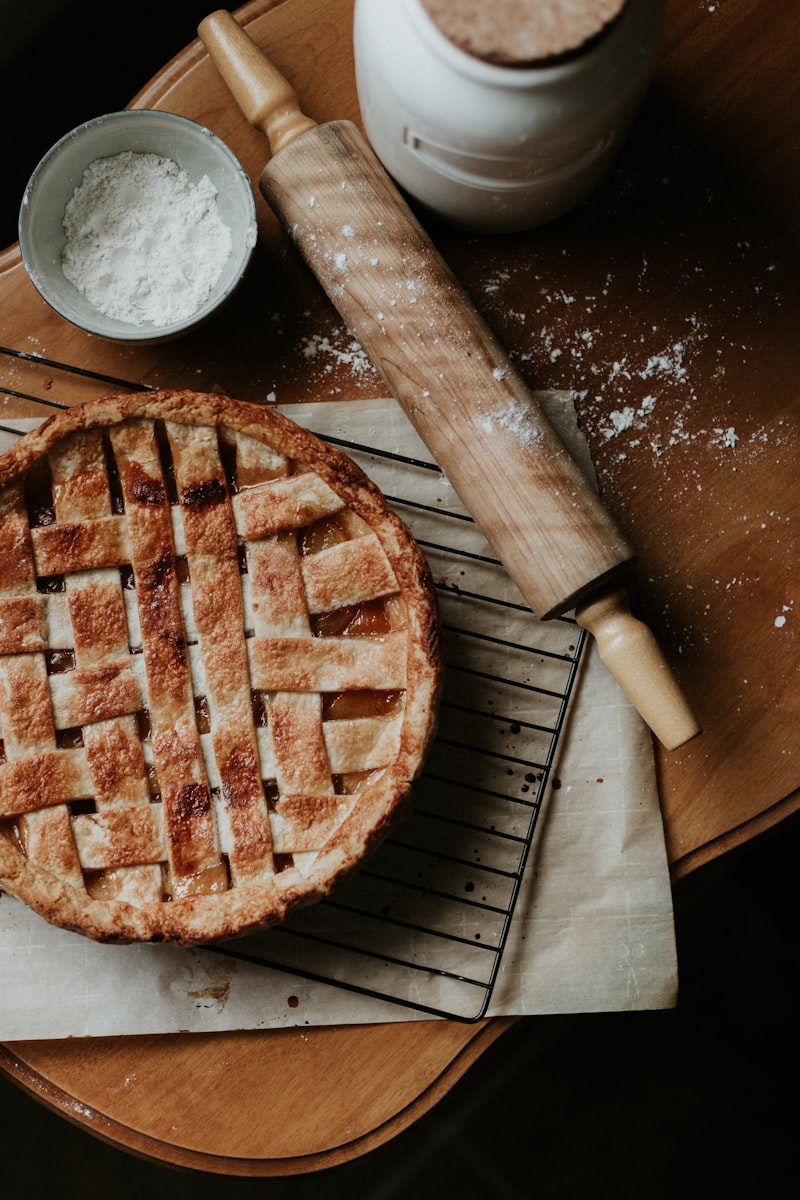
  1. Dissolve the yeast in the warm water. Mix the flour, salt, olive oil and yeast water into a soft dough, knead for 8 minutes, then rest it covered for 45 minutes.
  2. While the dough rises, cook the onions and pepper in a generous pour of olive oil over a low flame for 25 minutes, until sweet and collapsed. Stir in the paprika and take the pan off the heat.
  3. Fold the tuna through the cooled sofrito. The filling should be juicy but not wet. Reserve the oil that separates, it flavours the crust.
  4. Roll half the dough into a thin rectangle and lay it on an oiled sheet pan. Spread the filling almost to the edges.
  5. Cover with the second sheet of dough, seal the edge with a rope twist, and cut a small chimney in the centre so steam escapes.
  6. Brush with beaten egg and bake at 400 F for 35 to 40 minutes until deep gold. Cool at least 20 minutes. Empanada is at its best barely warm.

Ingredients

  • 1 cup dried white beans, soaked overnight
  • 1 smoked ham hock or pork shank
  • 2 oz unto (cured pork fat) or good lard
  • 1 chorizo, whole
  • 1.5 lb potatoes, cut in rough chunks
  • 1 large bunch grelos (turnip greens) or collard greens
  • 1 onion, whole and peeled
  • 10 cups water
  • Fine salt, to taste
  • Crusty country bread, to serve

Method

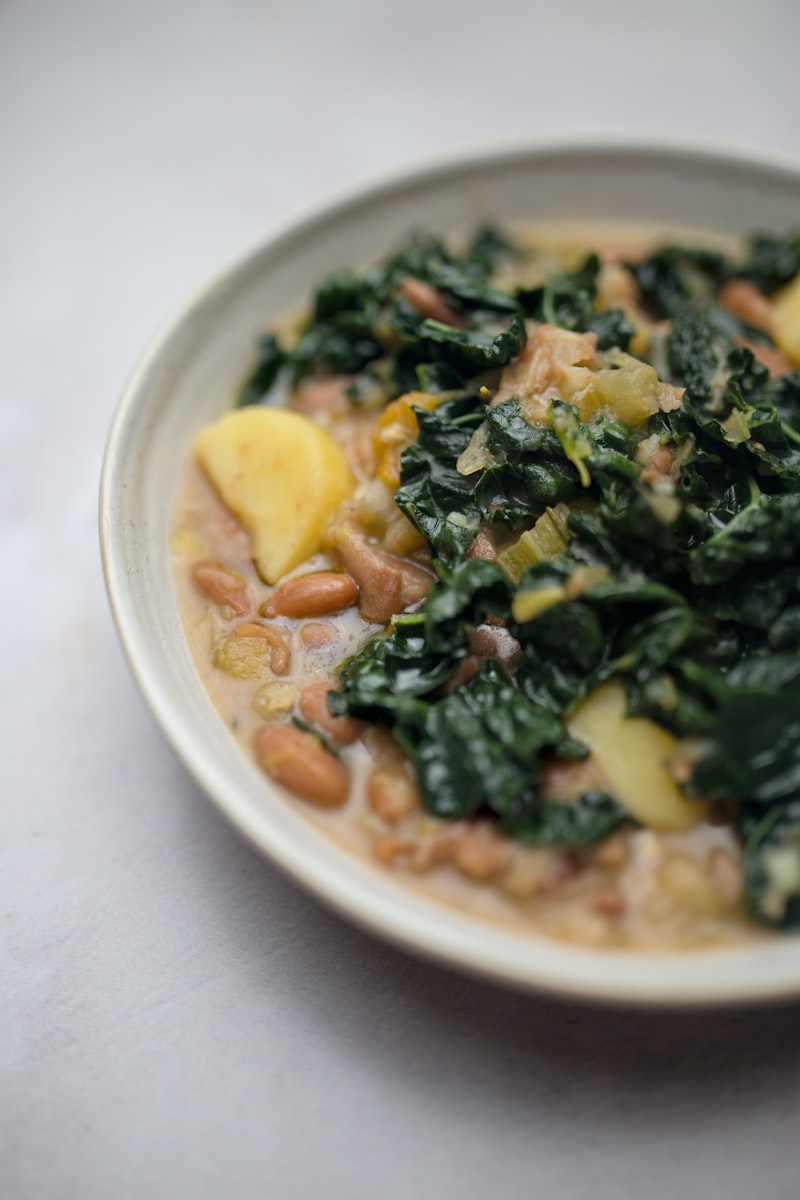
  1. Put the drained beans, ham hock, onion and unto in a deep pot with the water. Bring to a simmer and cook gently, half covered, for 90 minutes, skimming once or twice.
  2. Lift out the hock, pull the meat from the bone in rough pieces and return the meat to the pot along with the whole chorizo.
  3. Add the potatoes and simmer for 15 minutes.
  4. Strip the grelos from their thickest stems, chop roughly, and push them down into the broth. Cook 20 minutes more, until the greens are fully tender, never squeaky.
  5. Fish out the chorizo, slice it, and return the slices to the pot. Season with salt only at the end, the cured pork gives up plenty on its own.
  6. Rest the caldo for 10 minutes off the heat and serve in deep bowls with bread. It is even better reheated the next day.

Ingredients

  • 3 lb cured pork shoulder (lacón), desalted 24 hours if fully cured
  • 2 large bunches grelos (turnip greens)
  • 2 lb potatoes, peeled and halved
  • 4 chorizos, whole
  • 2 oz unto or lard
  • 2 bay leaves
  • 1 head of garlic, whole
  • 3 tbsp extra virgin olive oil
  • 1 tbsp sweet paprika
  • Coarse salt, for the table

Method

  1. Cover the lacón with cold water in your largest pot with the bay leaves, garlic and unto. Bring to a quiet simmer and cook for 2 hours, topping up water as needed.
  2. Add the whole chorizos and the potatoes to the pork broth and simmer for 15 minutes.
  3. Add the trimmed grelos, pushing them under the surface, and cook everything together for 20 minutes more.
  4. Lift the lacón onto a board, let it rest for 10 minutes, then carve it into thick slices. It should nearly fall apart under the knife.
  5. Arrange greens, potatoes, sliced chorizo and pork on a warm serving dish, moistened with a ladle of the cooking broth.
  6. Warm the olive oil with the paprika for a few seconds and spoon it over the platter. Set coarse salt on the table and serve very hot.

Ingredients

  • 2 cups whole milk
  • 1 cup light broth or water, the traditional filloa liquid
  • 3 large eggs
  • 2 cups all purpose flour
  • 1 pinch of fine salt
  • 1 strip of lemon zest, grated
  • 3 tbsp butter, for the pan
  • Sugar, for dusting
  • Ground cinnamon, optional
  • Honey or soft whipped cream, to serve

Method

  1. Whisk the eggs with the milk, broth, salt and lemon zest. Whisk in the flour until the batter is smooth and thin, like light cream. Rest it for 30 minutes.
  2. Heat a wide skillet over medium heat and rub it with a knob of butter using a cloth, the way Galician grandmothers grease the filloa stone.
  3. Pour in a small ladle of batter and tilt the pan so it spreads into the thinnest possible sheet.
  4. Cook about a minute until the edges lift and lace, flip with your fingers or a thin spatula, and give it 30 seconds more.
  5. Stack the filloas on a plate, buttering the pan lightly between each one.
  6. Serve warm, dusted with sugar and cinnamon, or rolled around honey or cream. A proper filloa is thin enough to read through.

Ingredients

  • 2 1/2 cups finely ground almonds
  • 1 1/4 cups sugar
  • 5 large eggs
  • Grated zest of 1 lemon
  • Grated zest of 1/2 orange
  • 1/2 tsp ground cinnamon
  • 1 pinch of fine salt
  • 1 tbsp butter, for the tin
  • 2 tsp sweet wine or a drop of almond extract, optional
  • Powdered sugar, for the cross

Method

  1. Heat the oven to 350 F. Butter a 9 inch tart or springform tin thoroughly, the butter is the only fat this tart needs.
  2. Beat the eggs with the sugar until pale and slightly thickened, about 3 minutes by hand.
  3. Fold in the ground almonds, both zests, cinnamon, salt and the sweet wine if using. The batter will be dense and fragrant.
  4. Scrape into the tin, level the top, and bake for 30 to 35 minutes until deep gold and just set at the centre.
  5. Cool completely in the tin. The tart settles and firms as it cools.
  6. Lay a cross of Saint James template over the top, dust generously with powdered sugar, and lift the template away. Serve in thin wedges, it is rich.

Our kitchen

A cociña with one rule

Gornio Cociña is an editorial kitchen devoted to Galicia, the green, granite corner of Spain that faces the open Atlantic. The food there was shaped by fairs, pilgrim roads and the family pote hanging over a low fire, and it never needed refined seed oils to become one of Europe's great regional tables.

So we keep the one rule the tradition kept. Every recipe published here is written and tested with olive oil, butter, lard or unto, the same fats a Galician kitchen has always trusted. Nothing on this site is sponsored and nothing is for sale. It is a working notebook of a cuisine we think deserves to be cooked exactly as it is.

Bo proveito.